Discovering Edmonton: Where Nature Meets the City
Alberta often conjures images of the Rocky Mountains, turquoise lakes, and vast prairies stretching into the horizon. But tucked in the center of this province lies Edmonton—an often underappreciated gem that’s quietly redefining what it means to blend modern urban life with the raw beauty of nature. Spending time here has been nothing short of revelatory. Edmonton is more than just a city; it’s a launching point for unforgettable experiences that shift seamlessly between deep wilderness and thriving cultural pockets.
1. Starting in the Heart: Edmonton’s Urban Core
The journey began downtown, right where 104 Street transforms on Saturdays into the city’s bustling Farmers’ Market. Local vendors bring in fresh produce, handmade crafts, and artisanal pastries. The air smells faintly of coffee and lilacs. There’s a rhythm to the way people engage here—a casual energy that welcomes strangers and encourages conversation.
The Art Gallery of Alberta stands just a few blocks away, its undulating metallic facade gleaming under the prairie sun. Inside, an evolving collection of contemporary and historical art captures Western Canada’s shifting identity. Just around the corner, Churchill Square hosts street performers, yoga sessions, and impromptu salsa nights—blurring the lines between spectator and participant.
2. Into the Green: River Valley Trails
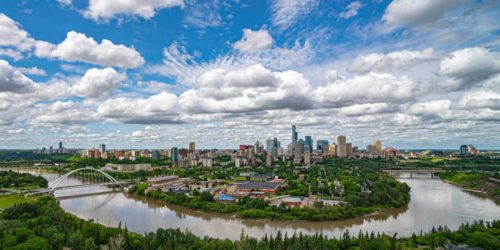
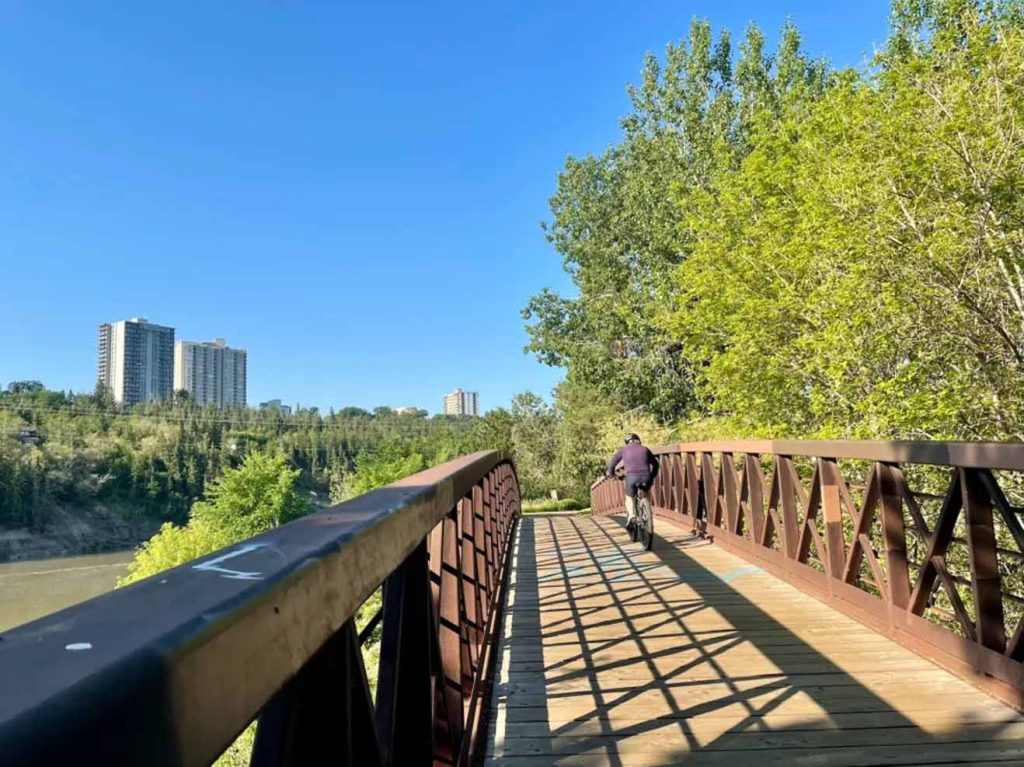
Few urban centers in North America can rival Edmonton’s dedication to green space. The North Saskatchewan River Valley is a sprawling network of over 160 kilometers of trails, weaving together more than 20 major parks. It’s an ecosystem unto itself, and entering it feels like stepping out of the city without ever leaving it.
Cycling along the valley paths early in the morning brings sightings of white-tailed deer grazing quietly near the water’s edge. On a quiet bend near Kinsmen Park, there’s often a heron standing like a sentry in the shallows. By late afternoon, paddleboarders drift lazily down the river while picnickers lounge on grassy knolls. At sunset, the reflection of the High Level Bridge casts golden streaks across the current. Each turn of the path reveals a different mood of the city—soft, powerful, contemplative.
3. Elk Island National Park: Wilderness Within Reach
Just a 40-minute drive east of Edmonton sits Elk Island National Park—a place that defies expectations. The moment the city falls behind, a different atmosphere takes hold. The forest here is denser, the sky broader. Elk Island is more than its name implies; it’s a sanctuary for bison, elk, moose, and over 250 species of birds.
Hiking the Wood Bison Trail during early morning hours reveals the park in its most serene state. The earth is damp with dew, and sunlight cuts clean lines through tall aspen groves. Large herds of plains bison can sometimes be seen ambling across open meadows, their sheer presence a living reminder of the continent’s ancient rhythm.
By afternoon, Astotin Lake becomes a gentle retreat. The beach is small but inviting, and the sky here feels endless. Kayaking on the still waters of the lake while pelicans glide overhead is an experience that holds the moment in suspension. As evening settles in, stargazing begins—Elk Island is a designated dark sky preserve, and the clarity of the stars is breathtaking.
4. St. Albert: Market Days and Heritage Paths
Northwest of Edmonton lies St. Albert, a community with a deep sense of history and an eye for artistry. Saturday mornings draw people to the St. Albert Farmers’ Market—the largest outdoor market in Western Canada. Vendors display everything from locally harvested honey and organic vegetables to jewelry and indigenous crafts. The conversations are long, and the coffee is always fresh.
Just beyond the market, the St. Albert Grain Elevator Park offers a different pace. The preserved wooden grain elevators, standing since the early 1900s, speak quietly of a time when agriculture and rail shaped every town’s fate. The trails nearby are perfect for a slow walk, their paths lined with wildflowers and shaded by tall poplars.
The Musée Héritage Museum, housed in a historic building, tells stories through photographs, handwritten letters, and artifacts. Time slows here, and the layers of memory that define this area become tangible.
5. Devon and the Riverbend
Driving southwest, the town of Devon sits where the river curls into tighter turns and the valley deepens. The Devonian Botanic Garden—now the University of Alberta Botanic Garden—offers one of the most beautifully curated natural experiences in the region. There are quiet Japanese gardens, an alpine house, and fragrant rose collections. But the real marvel is the Indigenous Garden, where medicinal and sacred plants are grown and interpreted through cultural storytelling.
The town itself is compact and peaceful. Walking along the Devonian Trail provides quiet river views and the occasional encounter with locals eager to share the best fishing spots or hiking shortcuts. Along the riverbank, wild raspberries grow in late summer, and children skip stones under a wooden footbridge.
6. Fort Saskatchewan: Bison and Bridges
To the northeast lies Fort Saskatchewan, a historic town whose legacy is written in its 19th-century forts and the slow curves of the river that frame it. At the edge of town, there’s a public park where bison roam freely, watched over by local rangers. They’re gentle giants—quiet, inquisitive, and utterly magnetic.
The River Valley Alliance Trail continues here, stretching through cottonwood groves and across wooden bridges that echo underfoot. The North Saskatchewan River feels more intimate in this section, bending tightly and revealing sandy coves and shallow inlets.
An afternoon spent wandering the historic downtown reveals red-brick buildings and heritage homes repurposed into cozy cafés and bookshops. At night, the city lights retreat behind the horizon, revealing another open sky.
7. Cooking Fires and Prairie Stars: Overnight Near Cooking Lake
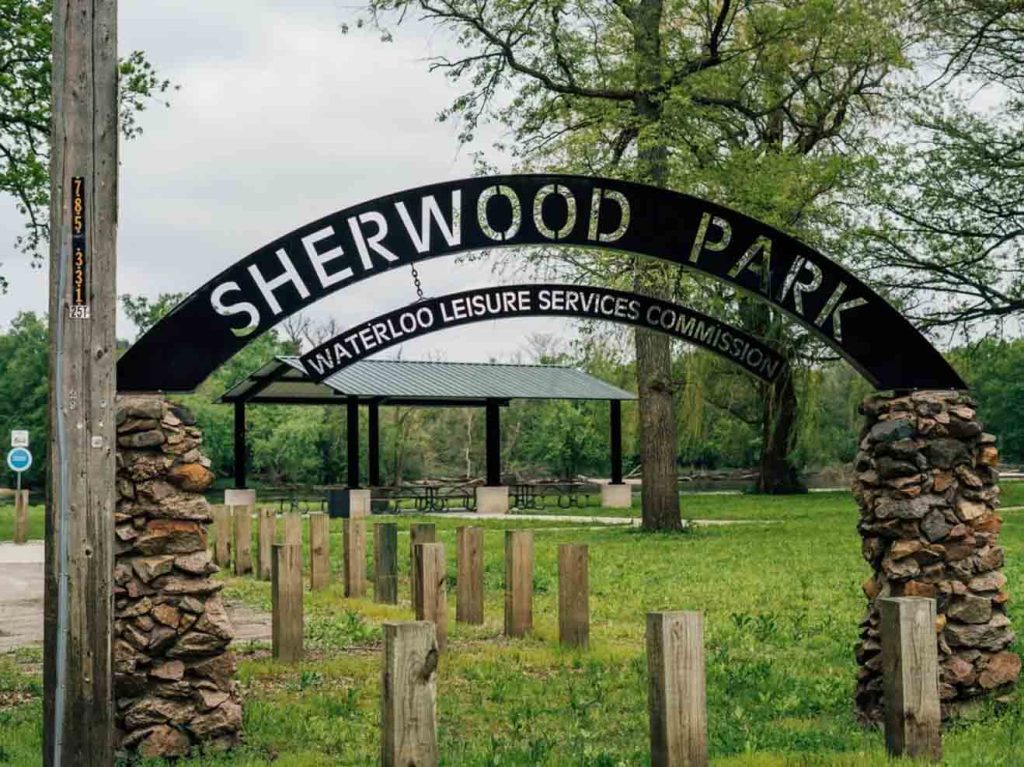
South of Sherwood Park lies the Cooking Lake-Blackfoot Provincial Recreation Area. It’s a quieter place, less trafficked, more intimate. Canoes line the shore in early morning, their curved silhouettes mirrored on the still water. The scent of pine mingles with smoke from a distant campfire.
The Waskahegan Trail, lesser known than those in Banff or Jasper, winds through marshland and wooded glades with surprising elevation changes. Mushrooms push through damp soil; beavers build methodically in shaded inlets. Each footstep feels deliberate here, and each turn brings fresh solitude.
Camping overnight offers a different cadence. Campfires crackle softly into the dark, and conversation drifts lazily into silence as the stars rise—bright, silent, enduring.
8. West of the City: Spruce Grove and the Rolling Horizon
In the other direction, past the city’s western edge, the town of Spruce Grove invites with its open skies and gently undulating landscape. It’s farming country, where silos interrupt the horizon and wheat fields ripple in waves.
The TransAlta Tri Leisure Centre adds a touch of modernity, but it’s the outdoor spaces that captivate. Heritage Grove Park is a web of trails weaving through forest and wetland, a sanctuary for both migrating birds and daily joggers.
Nearby, the Clifford E. Lee Nature Sanctuary opens into marshes alive with frogsong and wind-swept grasses. Elevated wooden walkways guide the way through cattails and willow stands. The landscape feels untouched, eternal. It’s a place where thoughts linger long after the walk ends.
9. The Call of the North: Day Trip to Athabasca
Two hours north, the road unspools toward Athabasca—a name that evokes rivers and fur traders, solitude and endurance. The drive itself is meditative, with long stretches of forest giving way to lakes shimmering in sunlight.
Upon arrival, the Athabasca River demands attention. Wide and strong, it tells stories through its ceaseless current. Kayaking here feels different from anywhere else—it’s quieter, more remote, with the sense that the wilderness is just a little more wild.
The Old Brick School in town houses archives and displays that bring history into sharp focus. The sense of place is palpable, built not from nostalgia but from continuity. Outside, fishermen line the riverbanks, patient and practiced, as swallows loop overhead.
10. Late Light Over the Prairies
Each direction from Edmonton brings its own reward—rolling farmland to the south, boreal forest to the north, wetlands to the east, river valleys to the west. The city itself never disappears; it simply steps back, allowing space for these landscapes to emerge and expand.
Driving back toward downtown after one such day trip, the late light of the prairie bathes the road in gold. Fields flare in amber tones. Silhouettes of grain elevators and barn roofs stretch long into the evening. The skyline of Edmonton reappears slowly, not with the jagged urgency of some metropolises, but with the calm presence of a place confident in its rhythm.
The fusion of natural space and cityscape continues with every return—each new experience folding into the memory of the last, like pages of a well-loved book still being written.