Deep Dive into Edmonton: Exploring the History and Culture of Alberta’s Capital
Edmonton, the capital of Alberta, is a city that often flies under the radar compared to its more famous counterparts like Vancouver and Toronto. However, those who venture into its heart will uncover a rich tapestry of history, culture, and a vibrant community spirit that makes it an unforgettable destination. The city, with its diverse heritage and unique character, offers a fascinating glimpse into the past while being very much a part of Canada’s progressive future. The more you explore, the more you’ll come to realize that Edmonton’s charm is subtle but compelling.
1. The Foundation of Edmonton: A City Built on the Fur Trade
To understand the city, one must first appreciate its deep roots in the fur trade. Edmonton owes much of its existence to the Hudson’s Bay Company, which established Fort Edmonton in 1795. The fort was crucial in the development of Western Canada and served as a central hub for the fur trade, facilitating exchanges between Indigenous peoples and European settlers. Walking through the historic Fort Edmonton Park, visitors can step back in time and experience life during the 19th century, with carefully restored buildings, costumed interpreters, and a tangible sense of history.
It’s impossible to ignore the role of Indigenous communities in shaping the city. The Cree people, in particular, have a rich cultural legacy in the Edmonton area, and their influence is still present in the city today. Visiting the Edmonton Indigenous Arts Festival, which celebrates the region’s Indigenous culture, or exploring the Royal Alberta Museum, one of Canada’s leading institutions for preserving Indigenous heritage, provides insight into the city’s complex and multi-layered history.
2. The River Valley: Nature and Recreation in the Heart of the City
One of Edmonton’s standout features is its River Valley, which is among the largest urban park systems in North America. Spanning over 7,400 hectares, the valley is an oasis of green space that provides locals and visitors with a sanctuary for outdoor recreation and exploration. Whether it’s walking along the North Saskatchewan River, enjoying a picnic in one of the park’s many picturesque settings, or renting a bike to cycle along the extensive trail network, the River Valley offers a natural counterpoint to the urban landscape of Edmonton.
In winter, the River Valley transforms into a winter wonderland, with activities like ice skating, cross-country skiing, and tobogganing drawing crowds. The Edmonton Ski Club offers a chance to hit the slopes within the city, a rare treat for urban dwellers. The connection between the River Valley and the city’s history cannot be overstated, as the river itself was a lifeline for early settlers and Indigenous peoples alike. It was, and remains, a vital part of Edmonton’s cultural fabric.
3. A Journey Through Time: Museums and Historic Landmarks
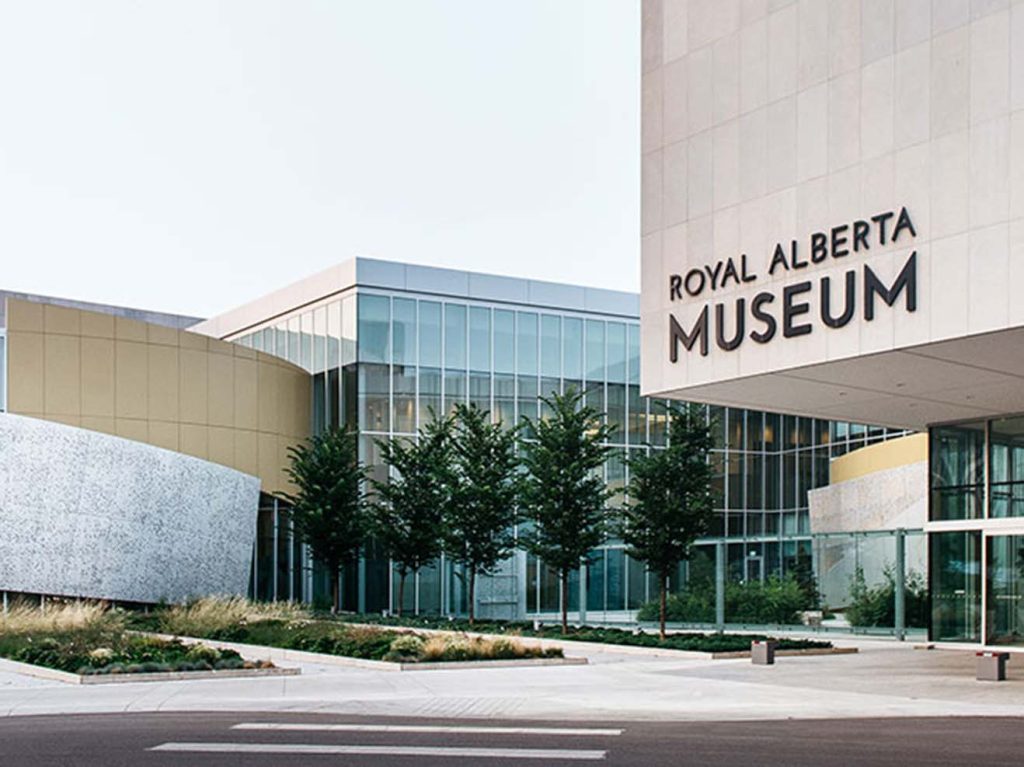
Exploring Edmonton’s past isn’t just about visiting historical sites; it’s about engaging with its stories, which are told through its impressive array of museums and landmarks. The Royal Alberta Museum, Canada’s largest museum, holds an outstanding collection of exhibits on natural history, cultural heritage, and Indigenous art. The museum’s galleries provide an in-depth look at Alberta’s past, from the age of the dinosaurs to the early European settlers, and the rich traditions of its Indigenous peoples.
Another notable stop is Old Strathcona, a vibrant neighbourhood where history and modernity intertwine. It was one of Edmonton’s original settlements, and today, it’s a cultural hotspot filled with local boutiques, eateries, and theatres. The Strathcona Streetcar, one of the oldest preserved streetcars in Canada, provides a whimsical way to experience this charming neighbourhood. It’s easy to imagine what life was like in the early days of Edmonton as you wander through its quaint streets, now lined with artisan shops and historical buildings.
For a deeper dive into the role of the fur trade in shaping Edmonton, The Alberta Legislature Building stands as a testament to the province’s political and historical significance. With its stunning architecture and rich interior, it is not only a place of governance but also a symbol of the city’s development from a trading post to a political hub.
4. The Vibrancy of Edmonton’s Arts and Culture Scene
While Edmonton’s history provides a deep well of exploration, the city also thrives as a modern cultural hub. The Edmonton Arts District is home to numerous galleries, theaters, and cultural spaces. The Art Gallery of Alberta, housed in a striking glass-and-steel building, showcases a broad range of contemporary art, including pieces by local artists and international talent. The gallery’s rotating exhibitions ensure that there’s always something new and exciting to discover.
For theatre enthusiasts, Edmonton’s Fringe Festival is one of the largest and most respected in the world. Every summer, this event draws theatre companies from all corners of the globe to perform in venues across the city. It’s an exciting opportunity to experience avant-garde performances, experimental works, and thought-provoking plays in a dynamic, lively setting.
Moreover, Edmonton’s Winspear Centre is a world-class venue for music lovers, hosting performances by the Edmonton Symphony Orchestra as well as international musical acts. Whether it’s a classical concert, a contemporary performance, or a jazz session, the city’s musical scene is vibrant and varied, making it a hotspot for cultural exploration.
5. Culinary Delights: A Taste of Edmonton’s Diverse Flavours
Food is an essential part of any city’s cultural identity, and Edmonton’s culinary scene is both diverse and evolving. From upscale restaurants serving contemporary Canadian cuisine to casual eateries that celebrate the city’s multicultural makeup, Edmonton offers a dining experience that caters to all tastes.
The Old Strathcona Farmers’ Market is a must-visit for anyone looking to taste local delicacies and fresh produce. The market is one of the oldest in the city and features an array of artisanal products, from handmade cheeses and baked goods to locally sourced meats and vegetables. For those looking to explore Edmonton’s food culture more deeply, a food tour around the city’s diverse neighborhoods is an excellent way to sample its many influences, from East Asian to Eastern European cuisines.
Edmonton is also home to a growing craft beer scene, with breweries like Blind Enthusiasm Brewing Co. and Situation Brewing offering unique, locally brewed beers that reflect the city’s commitment to quality and innovation. Pairing a pint of locally crafted beer with food from one of Edmonton’s many outstanding food trucks is a fantastic way to immerse oneself in the city’s contemporary food culture.
6. The Role of Festivals in Edmonton’s Cultural Landscape
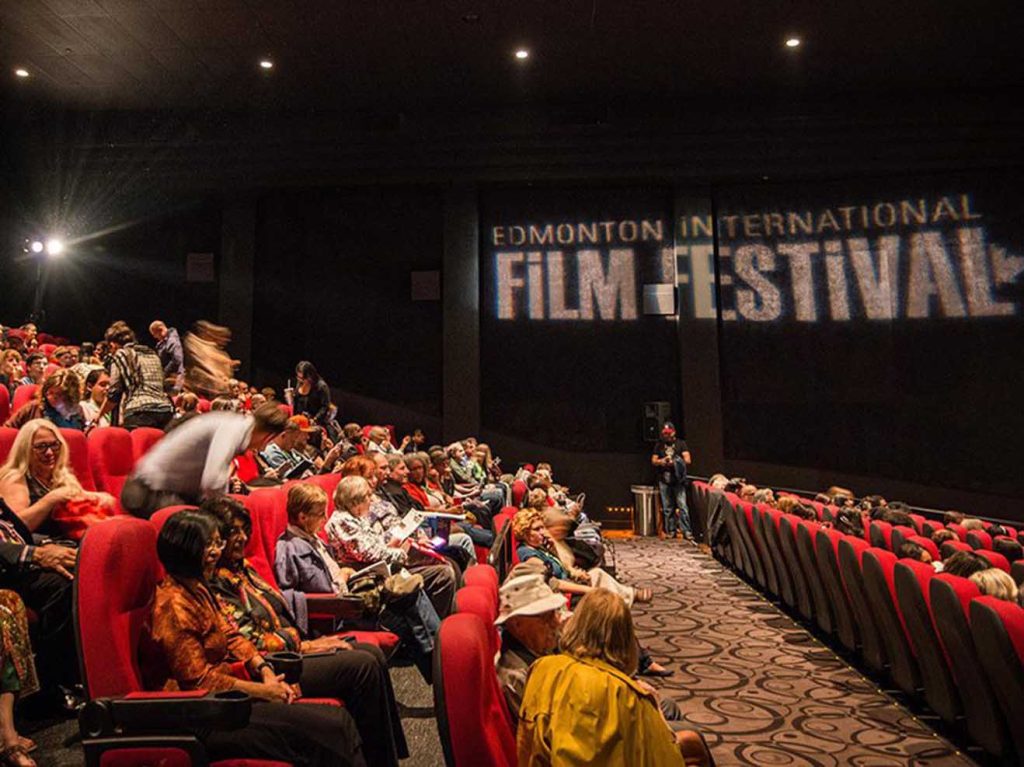
Edmonton is known as the “Festival City” for good reason. The city hosts a staggering array of events throughout the year, making it a year-round destination for cultural explorers. One of the most notable is the Edmonton International Film Festival, which showcases independent films from around the world. The festival’s commitment to showcasing emerging talent and unique cinematic voices has made it a respected fixture in the global film community.
In winter, Ice on Whyte offers a stunning display of ice sculptures and winter art. Artists from around the world come to compete and create, transforming Edmonton into a wonderland of ice and snow. The city’s long winter months are celebrated in creative ways, and the festival provides both locals and tourists a chance to appreciate the beauty of the cold season.
Perhaps one of the most famous festivals is the Edmonton Folk Music Festival, which draws music lovers from all over the world. Held every August, this event celebrates the rich history of folk music and features a mix of established and emerging artists. The festival is held at Hawrelak Park, a beautiful green space nestled in the River Valley, creating a picturesque setting for outdoor music performances.
7. Exploring Edmonton’s Diverse Neighbourhoods
While the city’s history and culture are central to its identity, its diverse neighbourhoods offer a unique perspective on how Edmonton has evolved over the years. From the trendy streets of Garneau with its bustling cafes and vintage shops to the bohemian atmosphere of Whyte Avenue, there is a neighbourhood for every taste and style. Exploring the city’s districts gives visitors a more intimate understanding of Edmonton’s social and cultural fabric.
In the Glenora neighbourhood, visitors will find beautiful homes and tree-lined streets, with a quieter, more suburban feel that contrasts with the vibrant downtown core. Meanwhile, Blatchford is a modern development project that focuses on sustainability, offering a glimpse into the future of urban living. These varied neighbourhoods demonstrate how Edmonton embraces both its heritage and forward-thinking ideals, creating a city that is as diverse as it is historic.
Edmonton is a city where history and modernity coexist harmoniously. Whether wandering through its museums, exploring its natural landscapes, or immersing yourself in its dynamic arts and cultural scenes, the city offers a unique opportunity to experience Canadian life from multiple perspectives. The deeper you go into Edmonton, the more you will realize just how layered and complex this city truly is. From its roots in the fur trade to its thriving modern identity, Edmonton stands as a testament to resilience, innovation, and community spirit.